Bolted Joint Assembly Principles Per ASME PCC-1-2022
Course Type:
 In-Person
Course Number:
 IPPD577
Credits:
Language:
PCC-1, bolting, bolted joint, bolted joint assembly, post construction
{{activeProduct.Title}}
Digital products are restricted to one per purchase.
{{activeProduct.CurrencySymbol}}{{ formatPrice(activeProduct.ListPrice) }} was {{activeProduct.CurrencySymbol}}{{ formatPrice(originalPrice) }}
{{activeProduct.CurrencySymbol}}{{ formatPrice(activeProduct.ListPriceSale) }} was {{activeProduct.CurrencySymbol}}{{ formatPrice(activeProduct.ListPrice) }}
{{activeProduct.CurrencySymbol}}{{ formatPrice(activeProduct.ListPrice) }} was {{activeProduct.CurrencySymbol}}{{ formatPrice(originalPrice) }}
{{activeProduct.CurrencySymbol}}{{ formatPrice(activeProduct.ListPriceSale) }} was {{activeProduct.CurrencySymbol}}{{ formatPrice(originalPrice) }}
{{activeProduct.CurrencySymbol}}{{ formatPrice(activeProduct.MemberPrice) }} was {{activeProduct.CurrencySymbol}}{{ formatPrice(originalPrice) }}
{{activeProduct.CurrencySymbol}}{{ formatPrice(activeProduct.MemberPriceSale) }} was {{activeProduct.CurrencySymbol}}{{ formatPrice(originalPrice) }}
*Excluding Lite Members
Final invoices will include applicable sales and use tax.
Print or Share
Product Options
Welcome Back!
The ability to interact with ASME instructors who bring real world experience, examples, and best practices to life in our learning experiences is a major reason learners choose face to face training. Networking with peers is also a valuable part of the time spent together during a course. We are excited to start offering these important courses again in person.
Schedule: This course commences at 8:30 AM and ends at 5:30 PM local time, each day, with breaks scheduled throughout.
June Venue: This course will be held at the InterContinental New Orleans at our ASME Live Event. Please visit this site to learn more about the courses and activities that we are offering at this new program.
Please review our L&D Refund and Cancellation Policy before you buy.
| Quantity | Item |
|---|---|
| {{ package.Quantity }} | {{ package.Title }} |
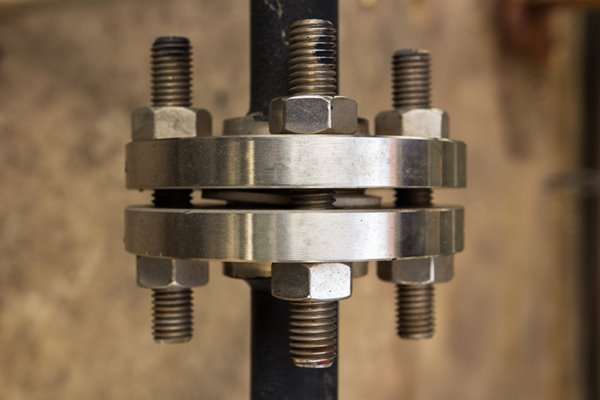
Although the mechanical principles that make a screw or bolt work are elementary – the inclined plane and the lever – the proper application of those simple machine principles to seal a vertical joint or sustain a tower crane under stress, is extremely complex. For many years, there has been recognition of the need to train, test, and certify craftsmen prior to allowing them to work on significant industrial applications that may have safety and structural integrity issues. This course trains and tests bolting personnel at the supervisory level on the technological and practical problems of assembling bolted joints in large scale industrial applications.
You Will Learn To:
- Describe the principles of joint design and reliability
- Explain the “nuts and bolts” of nuts and bolts
- Explain the concept of “load” as a bolting goal
- Describe ways to accomplish “load” (torquing and tensioning)
- Identify factors affecting proper “load” and how to compensate for problems
- Identify the proper selection and installation of gaskets
- Identify familiar with bolting tools of all types
- Describe the advantages and disadvantages of various bolting methods and where to use them
- Identify assembly procedures (bolting patterns, incremental tightening, etc.)
- Explain work planning and preparation (tools, hardware, bolting plan, safety checklists)
Who Should Attend?
Practicing design and manufacturing professionals involved in assembly of electro-mechanical hardware components and engineers and technicians in design and assembly operations. Engineers involved in the design, construction or maintenance of pressurized equipment utilizing flanged joints for the petroleum, refining, chemical, power, and process industries.
Course Materials (included in purchase of course)
- Access to the ASME PCC-1 – 2022 Guidelines for Pressure Boundary Bolted Flange Joint Assembly Standard via the ASME Digital Collection for the duration of the course.
- Digital course notes via ASME’s Learning Platform
A certificate of completion will be issued to registrants who successfully attend and complete the course.
Day One
- The role of standards and the value of certification
- Principles of bolting
- Principles of Joint Reliability – Flanges, Fasteners and Gaskets
- Principles of Torque Tightening
- Principles of Tensioning (methods and tools)
Day Two
- Dealing with corrosion
- Planning your work and working your plan
- Safety – first, last and always!
- Bolting sequence, patterns and interaction
- Multiple point torquing/tensioning
- Set up and familiarity with tools – safety in the shop
- Practical application of the principles learned
- Alignment and sequencing
- Gasket installation
- Hydraulic torquing and disassembly
- Hydraulic tensioning and disassembly
- Mechanical tensioning and disassembly
- Review and summary
More Information

In-Person
Conducted in a physical classroom or lab with an instructor and peers.Note: ASME in-person activities will follow the state and local laws, regulations and guidelines regarding COVID-19 applicable to the location of the event. Learn more here
Please review our L&D Refund and Cancellation Policy before you buy.
If you have any additional questions please review our FAQs, or Contact Us.
Please review ASME's policies applicable to Learning & Development courses:

Get papers online in the ASME Digital Collection


Sorry, we only have available spots for this course. Would you like to add those to your cart?