Engineering Collaboration Across the Americas: ASME in Brazil
Engineering Collaboration Across the Americas: ASME in Brazil

Brazil, along with being one of the largest economies in the world, is also among the top countries with the highest number of engineers. The country’s thriving high-tech manufacturing sector makes Brazil’s engineering field ripe with potential as ASME builds strong partnerships in Latin America and worldwide.
My recent time in São Paulo, Brazil was a whirlwind of engaging conversation and learning. I met with international leaders in the engineering space who are working together to solve problems that affect humanity on a global scale. It was an energizing and deeply meaningful visit, and one that reaffirmed how important ASME’s role is as a connector, a convener, and a champion for engineers everywhere.
Our visit aligned with COP30, the 30th United Nations Climate Change Conference held in Belém, which brought policymakers, industry experts, and engineers together to accelerate global action on climate change. COP30 marked a historic moment for Brazil and for the broader Amazon region as the world comes together to advance climate solutions.
We also attended the Climate Innovation Zone events in São Paulo—anchored by the Sustainable Innovation Forum and the Climate Implementation Summit— where ASME participated in discussions that reinforced just how rapidly climate-tech deployment is accelerating. Throughout COP30 and the Climate Innovation Zone events, it was clear to my ASME colleagues and me that engineers are at the heart of climate action. From renewable energy systems to low-carbon manufacturing, our profession provides the tools and expertise that make climate commitments achievable.
Another highlight of the trip was attending the BloombergNEF (BNEF) Business and Finance Forum, where discussions on financing the energy transition underscored the critical link between technology and capital. It was exciting to see so many sectors aligned around the idea that engineering innovation is key to meeting global climate goals.
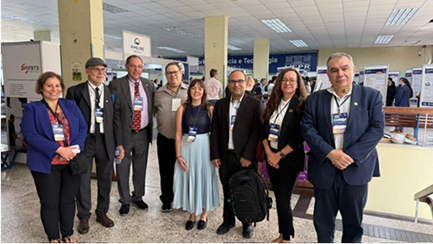 The ASME team in São Paulo, Brazil
ASME also hosted an international training workshop, in partnership with CONFEA – the Conselho Federal de Engenharia e Agronomia (Federal Council of Engineering and Agronomy) of Brazil and CREA-SP, delivering information on Boiler & Pressure Vessel Code (BPVC) and the value of ASME certification in professional development.
Later I attended the International Congress of Mechanical Engineering (COBEM). Held in Curitiba this year, the theme was “Artificial Intelligence for a Sustainable Tomorrow,” an important focus as we look to the future of our field and as the country’s AI adoption grows. This summer, Amazon Web Services (AWS) published a study revealing that nine million Brazilian companies are already using AI systematically, representing 40% of all businesses in the country.
I joined a roundtable alongside leaders from the International Union of Theoretical and Applied Mechanics (IUTAM), the International Federation for the Promotion of Mechanism and Machine Science (IFToMM), and the Brazilian Society of Mechanical Sciences and Engineering (ABCM). Our meetings with ABCM leadership also laid the groundwork for renewing our long-standing Memorandum of Understanding between both societies, expanding opportunities for joint conferences, technical committees, and student programs.
Our visit to Embraer’s production facilities in São José dos Campos provided a powerful view into Brazil’s leadership in aerospace innovation. The opportunity to collaborate more closely with Embraer, both through ASME’s technical programs and global conferences, represents an exciting pathway to strengthen engineering excellence across sectors.
During our time in Brazil, ASME reinforced our commitment to expanding our presence across Latin America. We are excited to continue building partnerships and empowering engineers throughout Latin America and the world to drive sustainable innovation and tackle the energy transition.
With regards,

Tom Costabile, P. E., FASME
ASME Executive Director/CEO
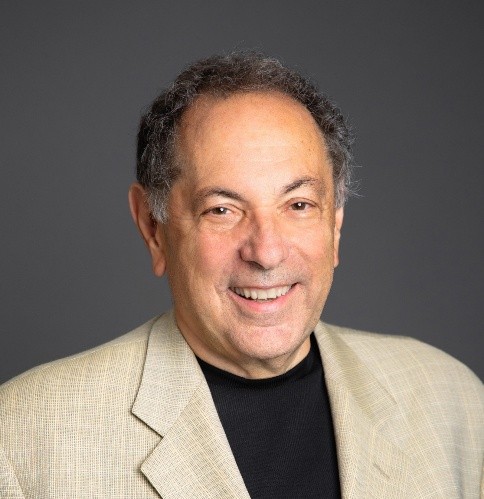
P.E., FASME Executive Director/CEO
Related Content

Jun 8, 2026
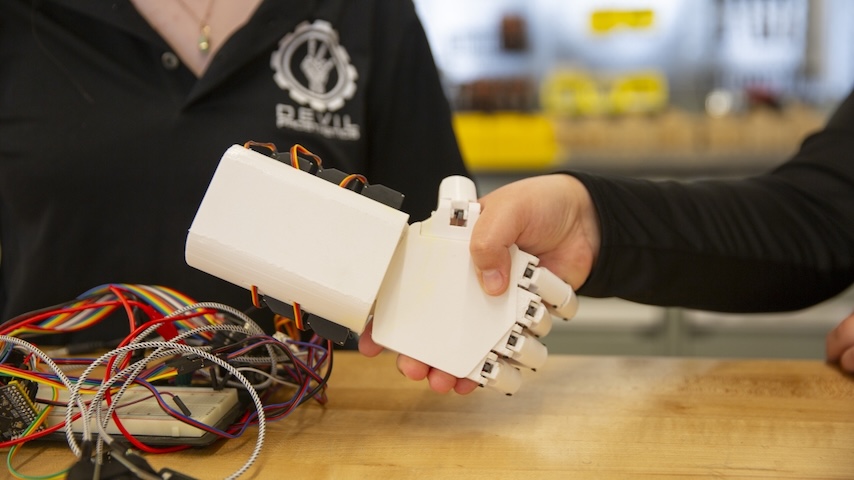
Engineering for Adaptability and Function First

A research team at Arizona State University has engineered a better pediatric prosthetic for real-world use.


Jun 5, 2026
Quiz: What Do You Know About Light Bulbs?


Jun 4, 2026
ASME's Mechanical Engineering Watch List 2026
The Mechanical Engineering Watch List features 25 early-career engineers editorially selected by ASME for their work in the profession.
Jun 4, 2026
Experiencing Engineering: Building Skills Beyond the Typical Classroom
Unlock your potential by mastering relevant skills for today’s workforce with tips on building and showcasing your strengths effectively.