5 Essential Lean Building Operation Strategies
5 Essential Lean Building Operation Strategies
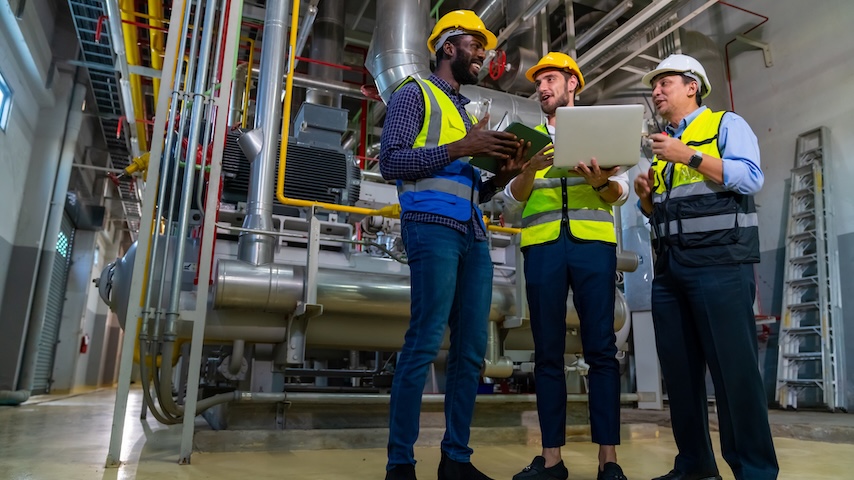
Lean building operations start with visibility and culture. Here’s how teams can uncover hidden inefficiencies and build systems that perform better over time.
Inefficiencies tend to accumulate quietly over time, hidden inside automation settings, misplaced sensors, outdated components, and habits that go unchallenged. So, achieving lean building operations isn’t just about cutting energy use—it’s about reshaping how facilities function and how teams interact with them.
True optimization begins with understanding real behavior and building a culture of engagement around it, according to David Borchardt, senior mechanical engineer at MD Energy Advisors.
Lean building operations are both technical and cultural, requiring measurement, vigilance, communication, and leadership support, he explained. Here are five strategies that will make that transition possible.
Lean operations begin with visibility. “First you need to know what normal operations look like by monitoring real-time energy performance of the building and key systems,” Borchardt said. “You can’t improve what you don’t measure.”
This baseline reveals unexpected loads, misaligned schedules, and operational drift that often go unnoticed until bills spike or comfort drops. Without this foundation, all subsequent improvements are guesswork.
Even top-performing buildings have hidden issues that only surface through an energy audit or building/facility walk, and a detailed review of the building automation system (BMS), Borchardt said.
“Bringing in a third party to do a walk is usually very useful as they are a new set of eyes. Once you do this it is amazing what you will find in even the best run building,” he added.
These reviews often uncover simple but costly inefficiencies, from incorrect lighting retrofits to physical envelope problems.
“Examples of what I have found include incandescent and fluorescent lighting in buildings that claim to have switched to LEDs, doors that don’t close or with worse weather stripping where you can feel a breeze coming through,” he said. “Thermostats located next to exterior doors where whole buildings are over heated or over cooled.”
Misconfigurations can create invisible, long-term waste as well.
“The BMS is usually where you find things that will surprise you,” he continued. These might include operations set to 24/7 for areas that are only occupied during certain hours or set points that are too high or low.
Borchardt recalled a building where an electric heater and AC unit were running simultaneously for months because misaligned set points caused both units to fight each other, which is a mistake that doubled utility bills.
Once issues are uncovered, teams must formalize corrections through recommissioning.
“Set a new baseline, perform a retro commissioning of the building or facility to get everything to a good place,” Borchardt said. “This might include replacing bad sensors and thermostats. But this new baseline will allow you to begin a process of continuous improvements.”
Relevant Reads: Shaking Buildings to Unlock Greater Heights
Recommissioning not only stabilizes current performance but informs future capital planning by identifying equipment nearing end-of-life. It creates a platform for continuous improvement rather than quick, isolated fixes.
Technical improvements can stall without cultural alignment, so operational teams must be willing to challenge long-held habits and “work through the cultural resistance of ‘we have always done things this way,’ or ‘this is how I do things,’” Borchardt said.
Leadership backing is critical. When supervisors and senior leadership recognize lean operations as a priority, resistance drops and accountability increases. Sharing knowledge and celebrating wins also accelerates adoption.
“Continuous improvement comes from people and systems learning from the building and how it operates to find efficiencies and ways to make things work better,” he said.
Borchardt encourages teams across multiple facilities to meet, share lessons learned, and reward achievements, as all of this reinforces momentum and drives innovation.
“Celebration keeps teams motivated and prevents complacency,” he said.
Lean operations are not a finish line, but an ongoing discipline, Borchardt said. Without routine monitoring, system drift eventually returns, so continuous monitoring never ends.
“You need to set up a system where alerts are provided by an automated system and or a person reviewing daily reports,” he advised. “Regardless of the method used, a person should be there to review the alert and act.”
Maintaining gains also requires standardizing procedures so improvements don’t erode over time.
Discover the Benefits of ASME Membership
“Set standards and procedures, write down and document how you operate a building or facility, build it into the building routine operations where they become second nature to operations staff,” he said. “If third parties lease a facility set, clear standards in the lease where the way the building operates is their responsibility also.”
Lean transformation takes time—often one to two years in the beginning.
“This journey of getting to a lean operation of a building or facility is not an overnight decision,” Borchardt said. “But once you get through the first steps you will start seeing savings of 25 to 30 percent” in the form of lower utility and maintenance costs, early problem detection, and a more engaged workforce.
Aida M. Toro is a lifestyle writer from New York City.
True optimization begins with understanding real behavior and building a culture of engagement around it, according to David Borchardt, senior mechanical engineer at MD Energy Advisors.
Lean building operations are both technical and cultural, requiring measurement, vigilance, communication, and leadership support, he explained. Here are five strategies that will make that transition possible.
Establish a clear baseline
Lean operations begin with visibility. “First you need to know what normal operations look like by monitoring real-time energy performance of the building and key systems,” Borchardt said. “You can’t improve what you don’t measure.”
This baseline reveals unexpected loads, misaligned schedules, and operational drift that often go unnoticed until bills spike or comfort drops. Without this foundation, all subsequent improvements are guesswork.
Identify low-hanging fruit
Even top-performing buildings have hidden issues that only surface through an energy audit or building/facility walk, and a detailed review of the building automation system (BMS), Borchardt said.
“Bringing in a third party to do a walk is usually very useful as they are a new set of eyes. Once you do this it is amazing what you will find in even the best run building,” he added.
These reviews often uncover simple but costly inefficiencies, from incorrect lighting retrofits to physical envelope problems.
“Examples of what I have found include incandescent and fluorescent lighting in buildings that claim to have switched to LEDs, doors that don’t close or with worse weather stripping where you can feel a breeze coming through,” he said. “Thermostats located next to exterior doors where whole buildings are over heated or over cooled.”
Misconfigurations can create invisible, long-term waste as well.
“The BMS is usually where you find things that will surprise you,” he continued. These might include operations set to 24/7 for areas that are only occupied during certain hours or set points that are too high or low.
Borchardt recalled a building where an electric heater and AC unit were running simultaneously for months because misaligned set points caused both units to fight each other, which is a mistake that doubled utility bills.
A clean operational reset
Once issues are uncovered, teams must formalize corrections through recommissioning.
“Set a new baseline, perform a retro commissioning of the building or facility to get everything to a good place,” Borchardt said. “This might include replacing bad sensors and thermostats. But this new baseline will allow you to begin a process of continuous improvements.”
Relevant Reads: Shaking Buildings to Unlock Greater Heights
Recommissioning not only stabilizes current performance but informs future capital planning by identifying equipment nearing end-of-life. It creates a platform for continuous improvement rather than quick, isolated fixes.
Build a supportive culture
Technical improvements can stall without cultural alignment, so operational teams must be willing to challenge long-held habits and “work through the cultural resistance of ‘we have always done things this way,’ or ‘this is how I do things,’” Borchardt said.
Leadership backing is critical. When supervisors and senior leadership recognize lean operations as a priority, resistance drops and accountability increases. Sharing knowledge and celebrating wins also accelerates adoption.
“Continuous improvement comes from people and systems learning from the building and how it operates to find efficiencies and ways to make things work better,” he said.
Borchardt encourages teams across multiple facilities to meet, share lessons learned, and reward achievements, as all of this reinforces momentum and drives innovation.
“Celebration keeps teams motivated and prevents complacency,” he said.
Commit to long-term discipline
Lean operations are not a finish line, but an ongoing discipline, Borchardt said. Without routine monitoring, system drift eventually returns, so continuous monitoring never ends.
“You need to set up a system where alerts are provided by an automated system and or a person reviewing daily reports,” he advised. “Regardless of the method used, a person should be there to review the alert and act.”
Maintaining gains also requires standardizing procedures so improvements don’t erode over time.
Discover the Benefits of ASME Membership
“Set standards and procedures, write down and document how you operate a building or facility, build it into the building routine operations where they become second nature to operations staff,” he said. “If third parties lease a facility set, clear standards in the lease where the way the building operates is their responsibility also.”
Lean transformation takes time—often one to two years in the beginning.
“This journey of getting to a lean operation of a building or facility is not an overnight decision,” Borchardt said. “But once you get through the first steps you will start seeing savings of 25 to 30 percent” in the form of lower utility and maintenance costs, early problem detection, and a more engaged workforce.
Aida M. Toro is a lifestyle writer from New York City.
Lean building operations start with visibility and culture. Here’s how teams can uncover hidden inefficiencies and build systems that perform better over time.

Lifestyle Writer from New York City
Related Content


Oct 1, 2026
Engineering the Sounds of Silence

Many of the things that engineers create make a lot of noise. Now there’s a crop of engineers trying to turn the volume down for all of us.
Sep 29, 2026
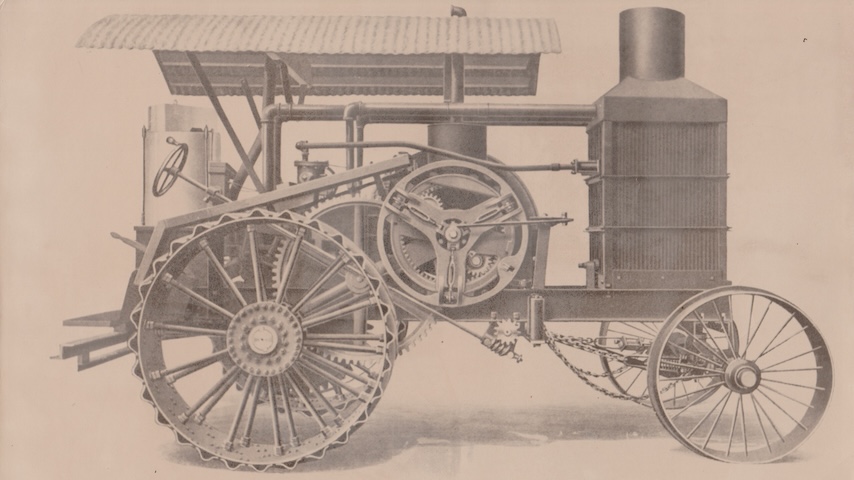
An Engineering Landmark in Tractor Innovation

The Hart-Parr Model 3 is the first tractor to be mass produced with an internal combustion engine, earning its designation as a Historical Mechanical Engineering Landmark.
Sep 15, 2026
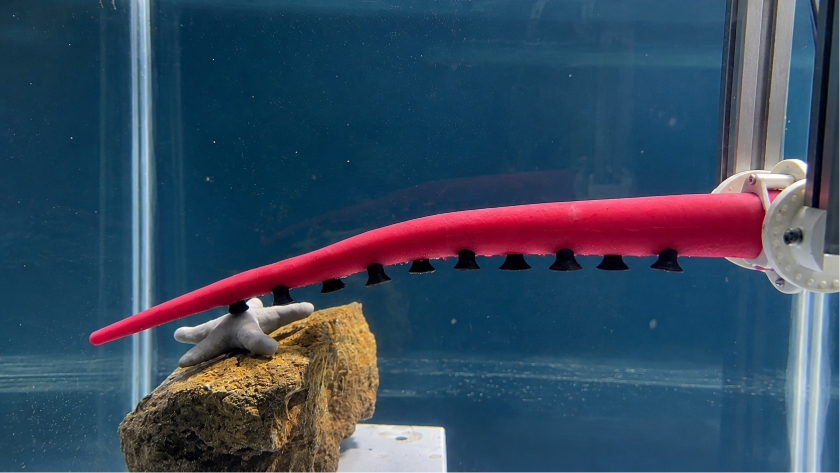
Octopus-Inspired Robot Gets a Better Grip


A new soft robotic arm shows how distributed sensing and control could help robots move and grasp more like living organisms.

Sep 10, 2026
Smarter Models for Faster Fusion Research

A Virginia Tech researcher is developing reduced models that could help fusion researchers make faster predictions with less computing power.