Communicating Design with Precision
Communicating Design with Precision
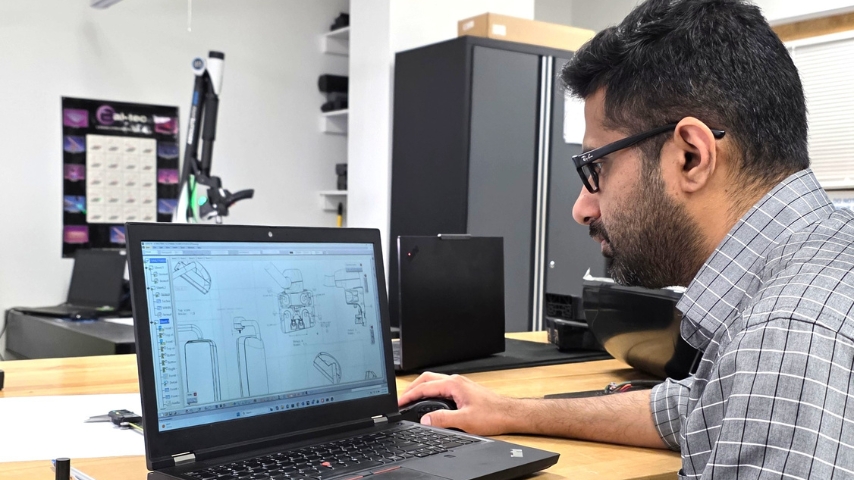
For Sagar Bocheer, GDTP certification validates design clarity, global alignment, and risk reduction.
Sagar Bocheer, a senior design engineer at Mekra Lang North America in Columbia, S.C., understands that technical excellence starts with clear communication of design intent. With more than a decade of product design experience, he works closely with global engineering teams as well as manufacturing personnel on the factory floor. Ensuring that everyone interprets design intent the same way is critical for achieving proper fit, function, and overall product quality.
In addition to meeting quality and regulatory requirements, Bocheer focuses on designing reliable vision systems that enhance commercial vehicle safety and performance. For him, pursuing ASME’s Geometric Dimensioning and Tolerancing Professional (GDTP) Senior Certification was a practical step toward reducing errors and rework while strengthening collaboration across teams.
With a strong background in mechanical engineering, Bocheer earned his master’s degree in engineering design from Wayne State University in Detroit before beginning his career as a design engineer. As his responsibilities grew, so did his focus on design clarity—a commitment that ultimately led him to pursue GDTP certification at the senior level.
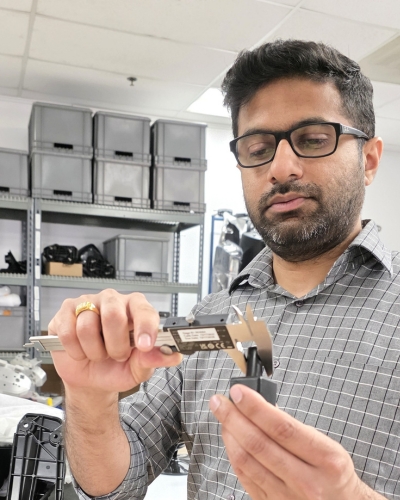 “Design engineering is the one place where you need to communicate your design intent—to the people who will manufacture those parts, and to those who verify parts,” he said. “You need a tool to have a common understanding among the group and GD&T knowledge is that tool.”
Earning GDTP certification allows Bocheer to demonstrate that he can both speak and interpret the “common language” shared by engineers, manufacturers, and inspectors. More than a credential, the certification serves as a practical tool for minimizing misinterpretation and streamlining communication with suppliers and internal teams.
While GD&T was not covered extensively in his formal education, Bocheer noted that it is a core requirement in his current role. In some industries, GD&T may be less critical, but for engineers working with physical components like diecast and plastics, it is essential for ensuring that parts are manufactured exactly as intended.
“The test is worth taking,” he said. Certification also aligns seamlessly with his career progression—from design engineer to lead engineer, and now as senior design engineer. He plans to renew his certification, noting that the time and expense are well justified by the practical value it provides.
.png?width=2254&height=690&ext=.png) One experience that reinforced his decision involved a long-running product that had passed through many engineers over the years, each interpreting the design differently.
One experience that reinforced his decision involved a long-running product that had passed through many engineers over the years, each interpreting the design differently.
“Engineering drawings should be concise and clear, and avoid calling out a lot of unnecessary GD&T notes. They should provide the tolerance value with which the design can be made, or design in a way that you don’t have to give tighter tolerances,” Bocheer said. “Only add tighter tolerances wherever it is necessary and knowing the tolerances for a manufacturing process is a key to defining the GD&T rules, and this comes from experience.”
Ultimately, he believes it is the engineer’s responsibility to ensure the design intent is clear and unambiguous. Standardized GD&T creates a consistent framework that everyone can interpret the same way.
For engineers considering GDTP certification, Bocheer emphasizes the importance of realistic planning and consistent study habits.
“After work, I used to sit and study,” he said. He also credited his wife’s support as a key factor in completing the certification, noting that he often studied on weekends as well.
He recommends thinking carefully about the total time commitment, which can take six months or more depending on experience.
“Weekly, if you spend four or five hours for about three to four months, you can take this exam,” he said. Some candidates, if they have extensive experience using GD&T on a daily basis, will have shorter prep times, Bocheer added.
The design engineer also encouraged those thinking about taking the test to consider using ASME’s study resources and supplemental online videos to better understand challenging concepts.
For those willing to invest the time, he believes GDTP certification provides lasting value by reinforcing deep technical understanding and improving communication across the entire product lifecycle.
Cathy Cecere is membership content program manager.
In addition to meeting quality and regulatory requirements, Bocheer focuses on designing reliable vision systems that enhance commercial vehicle safety and performance. For him, pursuing ASME’s Geometric Dimensioning and Tolerancing Professional (GDTP) Senior Certification was a practical step toward reducing errors and rework while strengthening collaboration across teams.
Reaching senior-level certification
With a strong background in mechanical engineering, Bocheer earned his master’s degree in engineering design from Wayne State University in Detroit before beginning his career as a design engineer. As his responsibilities grew, so did his focus on design clarity—a commitment that ultimately led him to pursue GDTP certification at the senior level.
Earning GDTP certification allows Bocheer to demonstrate that he can both speak and interpret the “common language” shared by engineers, manufacturers, and inspectors. More than a credential, the certification serves as a practical tool for minimizing misinterpretation and streamlining communication with suppliers and internal teams.
While GD&T was not covered extensively in his formal education, Bocheer noted that it is a core requirement in his current role. In some industries, GD&T may be less critical, but for engineers working with physical components like diecast and plastics, it is essential for ensuring that parts are manufactured exactly as intended.
Applying certification in practice
As an ASME GD&T Y14.5 Senior Certified engineer, Bocheer’s successful completion of certification required going well beyond the basics through focused study and a strong commitment to continuous improvement.“The test is worth taking,” he said. Certification also aligns seamlessly with his career progression—from design engineer to lead engineer, and now as senior design engineer. He plans to renew his certification, noting that the time and expense are well justified by the practical value it provides.
GDTP-2018 Exams Now Open
Be among the first to apply for the ASME GDTP 2018 (Technologist & Senior) exams.
“Engineering drawings should be concise and clear, and avoid calling out a lot of unnecessary GD&T notes. They should provide the tolerance value with which the design can be made, or design in a way that you don’t have to give tighter tolerances,” Bocheer said. “Only add tighter tolerances wherever it is necessary and knowing the tolerances for a manufacturing process is a key to defining the GD&T rules, and this comes from experience.”
Ultimately, he believes it is the engineer’s responsibility to ensure the design intent is clear and unambiguous. Standardized GD&T creates a consistent framework that everyone can interpret the same way.
Aspiring GDTP certification candidates
For engineers considering GDTP certification, Bocheer emphasizes the importance of realistic planning and consistent study habits. “After work, I used to sit and study,” he said. He also credited his wife’s support as a key factor in completing the certification, noting that he often studied on weekends as well.
He recommends thinking carefully about the total time commitment, which can take six months or more depending on experience.
“Weekly, if you spend four or five hours for about three to four months, you can take this exam,” he said. Some candidates, if they have extensive experience using GD&T on a daily basis, will have shorter prep times, Bocheer added.
The design engineer also encouraged those thinking about taking the test to consider using ASME’s study resources and supplemental online videos to better understand challenging concepts.
For those willing to invest the time, he believes GDTP certification provides lasting value by reinforcing deep technical understanding and improving communication across the entire product lifecycle.
Cathy Cecere is membership content program manager.


Learning is a lifelong journey. Explore our growing collection of free learning resources and articles.