Top 5 Blogs of 2025
Top 5 Blogs of 2025

From analyzing news trends to exploring issues and technologies and their impacts on engineering, here are ASME.org’s top read blogs of 2024.
Bloggers cover a wide range of topics, as does the team here at Mechanical Engineering magazine. Throughout 2025, our staff and guest columnists covered subjects ranging from energy to the workforce, futuristic technologies, and the economy.
ASME.org’s blogs often draw insights from news headlines or research findings and bring our readers perspectives on how these issues affect engineers and the industries in which they work. Take a look back at 2025’s most-viewed blogs.
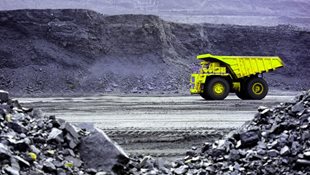 For decades, a bipartisan consensus has tried to prop up the coal mining industry by supporting its use in the energy industry. The United States has more coal reserves than any other country, so its domestic abundance is alluring. But what does a tortured history of trying to find new uses for coal mean as the federal government sets its sights on reinvigorating “America’s Beautiful Clean Coal Industry”? Maybe they’ve been looking at coal the wrong way.
 It’s a wonderful thing to be an engineer. Every single day, we get to make things better. Few professions allow its practitioners that kind of personal satisfaction. But we need to consider the broader context, the downstream implications of what we produce, and the impacts we have on the community, the environment, and the next generation. It’s not enough to meet the specs, stay within budget, and finish on time. Engineers and their employers must recognize a higher responsibility with every project they undertake.
 While the technology to separate and capture carbon from other gases has been around for about a century, becoming more widely used in the 1970s with the rise of enhanced oil recovery, it’s only been about 30 years since the first commercial carbon capture and storage (CCS) plant began operations. While there are arguments on both sides of CCS—some tout it as the key to lowering industrial-scale emissions, while others call it a pipe dream—investment into the technology and commercial facilities is barreling ahead.
 Science and technology journalism has a relentless focus on the future. We’re always on the lookout for actual developments (as opposed to theoretical hypotheticals) that could have large implications down the road. If journalism is a first draft of history, technology journalism of this sort is more of a rough planning outline, subject to major revisions. While writing about cutting-edge technology for decades means that you get to see early drafts of the future, not every vision of tomorrow comes to pass.
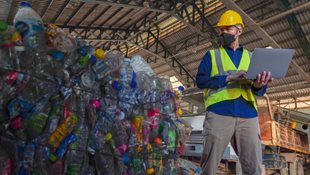 It is no wonder that mechanical engineers are leading the way in sustainability as recycling focuses on waste and changing it into a use that meets a specific need. This is especially true since the circular economy demands manufacturers welcome green systems, use only environmentally-friendly materials, and consider eventual eco-friendly disposal at their products’ end-of-life. MEs are plying ahead in scores of different sectors from reuse technologies in agriculture to the niche industry of apparel accessories.
ASME.org’s blogs often draw insights from news headlines or research findings and bring our readers perspectives on how these issues affect engineers and the industries in which they work. Take a look back at 2025’s most-viewed blogs.
Energy Blog: Coal’s Brightest Future May Not Be as a Fuel
Published July 8, 2025 | By Michael Webber
Workforce Blog: It’s Time for a New Way to Engineer
Published Oct. 6, 2025 | By Calvin Mackie
Energy Blog: Is It Carbon Capture’s Time?
Published Apr 30, 2025 | By Louise Poirier
Blog: Looking Forward from the Past
Published Jul 23, 2025 | By Jeffrey Winters
Blog: Engineers Integral to a Successful Circular Economy
Published July 30, 2025 | By Cathy Cecere
From analyzing news trends to exploring issues and technologies and their impacts on engineering, here are ASME.org’s top read blogs of 2024.
Related Content

Sep 3, 2026
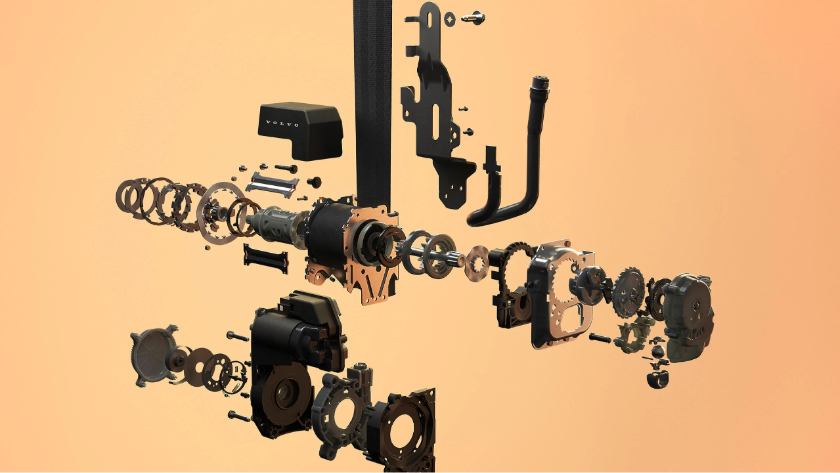
5 Mechanical Innovations to Watch in 2026

From adaptive safety belts to biomechanical drug delivery, these recent mechanical engineering breakthroughs are setting the stage for the future.
Sep 1, 2026
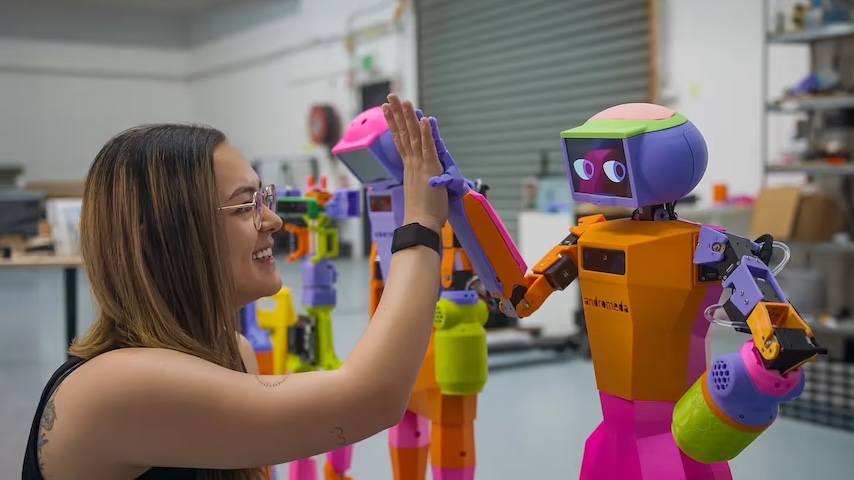
The Next Robotics Frontier


The robotics industry often focuses on scale, automation, and valuations. But a quieter group of founders is instead asking what robotics have overlooked as they innovate with compassion in mind.

Aug 28, 2026
Quiz: The Origins of Automation
Automation’s roots run back to mechanization and the first factories, and it has been compounding ever since. See how well you know that path.

Aug 26, 2026
Immersive Tech on the Alert

Notifying long-time workers to construction site hazards can be difficult, so researchers are exploring how immersive technology can help—and developing an augmented reality system to assist.