The Importance of Mechatronics for Modern Engineering
The Importance of Mechatronics for Modern Engineering
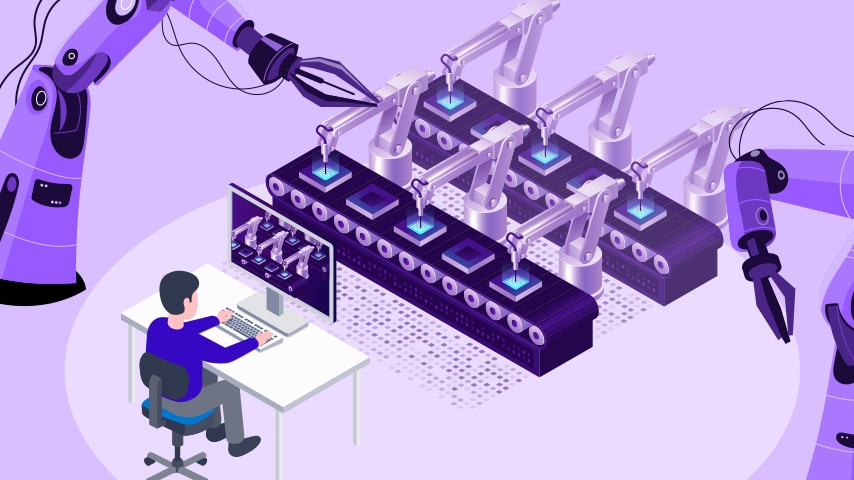
Mechatronics is behind the development of a wide range of products and machines—from household items as simple as a diaper to innovative technology as sophisticated as electric vehicles.
The practice of mechatronics is essential for 21st-century engineering. Designing today’s increasingly complex products and technologies requires expertise that spans multiple disciplines.
This is true “because systems today are truly multidisciplinary,” said Kevin Craig, professor of mechanical engineering at Hofstra University, where he is the director of the Mechatronics Laboratory.
Mechatronics dates back at least 50 years, when the Japanese company Yaskawa Electric Corporation coined the term by combining the words “mechanical” and “electronics.” Since then, it has grown to include control systems and computers in addition to mechanical and electronic systems.
“The original intent [of mechatronics] was to give mechanical systems some intelligence, some decision-making ability,” said Craig, who previously taught at Rensselaer Polytechnic Institute and Marquette University. “Mechatronics has evolved into what we would call multidisciplinary systems engineering.”
According to Craig, integration and model-based design are the two key elements of mechatronics today.
“Modern systems are made up of mechanical mechanisms and components, electronics, control systems, and computers—and of course sensors and actuators—and all of this has to be integrated from the very start of the design process,” he said. “And it’s a model-based design, meaning you’ll create mathematical computer models that you can then simulate and show that they will work before you actually build anything. That way, when you create the actual prototype, it should work.”
This model-based design is a departure from the design-build-test approach engineers used in the past. With the complex systems of today, “you can’t trial-and-error your way to a good design,” Craig said.
It can be difficult for companies to embrace this approach because they’re always in a time crunch, but in reality, it helps them to be more effective and efficient, he said. “Progress and innovation happen when you think, when you model, when you understand, when you get insight. That will lead to long-term innovation and reduction in cost, savings in time, and competitive advantage,” Craig added.
One company that is a pioneer of mechatronics is Procter & Gamble. Craig helped train P&G employees when they started using the multidisciplinary approach more than 20 years ago.
“Mechatronics seamlessly integrates mechanical controls and modeling and simulation disciplines at every level to deliver highly reliable, optimally designed machines,” said Jason DeBruler, a controls engineer at P&G. “In order for us to be most efficient and effective with our resources, we need to understand the interactions between disciplines to design and build products and solve real-world problems. That’s what mechatronics is all about. Any company that makes a product or machine should want mechatronics to be an integral part of their engineering and work process.”
DeBruler teams up with mechanical engineers to design machines that make P&G products—everything from diapers to shampoo—in the most effective and efficient way possible.
“Most P&G products have had some form of mechatronics analysis done on the equipment that makes them,” DeBruler said. “You look at a baby diaper and think about starting to deconstruct that diaper—all the things that go into it. You’ve got all these pieces and parts that get bonded to each other. In order to do any of that placement with accuracy, it all requires mechatronics.”
Although mechatronics is essential to modern engineering, only a few universities in the United States offer a degree in this discipline, Craig said. Most offer classes or concentrations in mechatronics as part of the mechanical engineering curriculum, but Craig worries that is not enough.
 “In many cases, [learning mechatronics] is not required. It’s an option,” he said. “And that is dangerous and scary.”
Fortunately, some companies provide training in mechatronics. When DeBruler first joined P&G about 22 years ago, he said he “was lucky enough to have some really great mentors who were pioneering mechatronics and its application to our production processes. And we had some good partnerships with university professors as well. Professor Kevin Craig was very instrumental in our program.”
DeBruler said mechatronics is so embedded in the culture of P&G that it’s useful to a variety of employees, even non-engineers. So, using some of the information imparted by Craig and others, DeBruler and his colleagues have developed a mechatronics training program that new recruits go through when they join the company.
“What’s nice is that our engineering leadership and our whole organization understands the importance of mechatronics, its science, and its practice, so that improvements can be made at all levels of the work process and equipment,” DeBruler said.
Craig said it’s critical for more companies to view mechatronics that way. “It’s the workforce that makes the company innovative, and you have to invest in your workforce to keep them up to date and make them mechatronic engineers,” he said. “That means give them the training and then give them the time to actually do what they’ve learned.”
Claudia Hoffacker is an independent writer in Minneapolis.
This is true “because systems today are truly multidisciplinary,” said Kevin Craig, professor of mechanical engineering at Hofstra University, where he is the director of the Mechatronics Laboratory.
The evolution of mechatronics
Mechatronics dates back at least 50 years, when the Japanese company Yaskawa Electric Corporation coined the term by combining the words “mechanical” and “electronics.” Since then, it has grown to include control systems and computers in addition to mechanical and electronic systems.“The original intent [of mechatronics] was to give mechanical systems some intelligence, some decision-making ability,” said Craig, who previously taught at Rensselaer Polytechnic Institute and Marquette University. “Mechatronics has evolved into what we would call multidisciplinary systems engineering.”
According to Craig, integration and model-based design are the two key elements of mechatronics today.
“Modern systems are made up of mechanical mechanisms and components, electronics, control systems, and computers—and of course sensors and actuators—and all of this has to be integrated from the very start of the design process,” he said. “And it’s a model-based design, meaning you’ll create mathematical computer models that you can then simulate and show that they will work before you actually build anything. That way, when you create the actual prototype, it should work.”
This model-based design is a departure from the design-build-test approach engineers used in the past. With the complex systems of today, “you can’t trial-and-error your way to a good design,” Craig said.
It can be difficult for companies to embrace this approach because they’re always in a time crunch, but in reality, it helps them to be more effective and efficient, he said. “Progress and innovation happen when you think, when you model, when you understand, when you get insight. That will lead to long-term innovation and reduction in cost, savings in time, and competitive advantage,” Craig added.
Industry example
One company that is a pioneer of mechatronics is Procter & Gamble. Craig helped train P&G employees when they started using the multidisciplinary approach more than 20 years ago.“Mechatronics seamlessly integrates mechanical controls and modeling and simulation disciplines at every level to deliver highly reliable, optimally designed machines,” said Jason DeBruler, a controls engineer at P&G. “In order for us to be most efficient and effective with our resources, we need to understand the interactions between disciplines to design and build products and solve real-world problems. That’s what mechatronics is all about. Any company that makes a product or machine should want mechatronics to be an integral part of their engineering and work process.”
DeBruler teams up with mechanical engineers to design machines that make P&G products—everything from diapers to shampoo—in the most effective and efficient way possible.
“Most P&G products have had some form of mechatronics analysis done on the equipment that makes them,” DeBruler said. “You look at a baby diaper and think about starting to deconstruct that diaper—all the things that go into it. You’ve got all these pieces and parts that get bonded to each other. In order to do any of that placement with accuracy, it all requires mechatronics.”
Mechatronics training on the job
Although mechatronics is essential to modern engineering, only a few universities in the United States offer a degree in this discipline, Craig said. Most offer classes or concentrations in mechatronics as part of the mechanical engineering curriculum, but Craig worries that is not enough.
Read Today
From infrastructure and energy to safety and policy, mechanical engineers play vital roles in government service at every level.
Fortunately, some companies provide training in mechatronics. When DeBruler first joined P&G about 22 years ago, he said he “was lucky enough to have some really great mentors who were pioneering mechatronics and its application to our production processes. And we had some good partnerships with university professors as well. Professor Kevin Craig was very instrumental in our program.”
DeBruler said mechatronics is so embedded in the culture of P&G that it’s useful to a variety of employees, even non-engineers. So, using some of the information imparted by Craig and others, DeBruler and his colleagues have developed a mechatronics training program that new recruits go through when they join the company.
Committing to mechatronics
“What’s nice is that our engineering leadership and our whole organization understands the importance of mechatronics, its science, and its practice, so that improvements can be made at all levels of the work process and equipment,” DeBruler said. Craig said it’s critical for more companies to view mechatronics that way. “It’s the workforce that makes the company innovative, and you have to invest in your workforce to keep them up to date and make them mechatronic engineers,” he said. “That means give them the training and then give them the time to actually do what they’ve learned.”
Claudia Hoffacker is an independent writer in Minneapolis.


Learning is a lifelong journey. Explore our growing collection of free learning resources and articles.