Ethics in Engineering: Culture and Accountability
Ethics in Engineering: Culture and Accountability
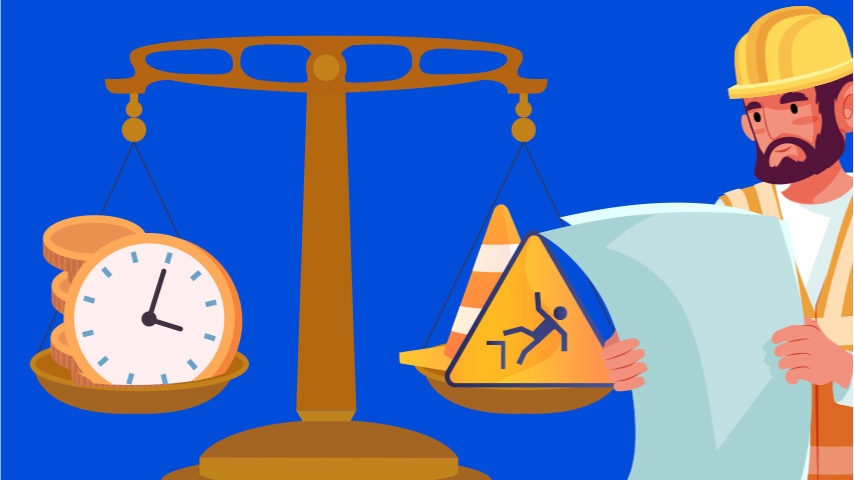
Engineering ethics is about daily decisions, clear AI policies, and a workplace culture that empowers engineers to raise concerns and put safety first.
Ethical dilemmas in engineering are often associated with major disasters that result in deaths or serious injuries. However, with tight deadlines, budget constraints, and other pressures, mechanical engineers face tough decisions on a smaller scale every day. It’s critical that they view those decisions through an ethical lens.
Many mechanical engineers are familiar with codes of ethics published by professional organizations such as ASME. They might assume they would never do anything that violates these policies. But as Tim Groover explains, ethical breaches “almost always" happen unintentionally.
“Folks need to develop emotional intelligence and self-awareness to be able to tell when something isn’t going in the direction it should,” Groover said. He is a veteran of the consulting engineering industry who now provides leadership consulting in many areas, including ethics. “Work on building that antenna that tells you that something’s not passing the sniff test.”
He learned years ago that the most important four words for an engineer to remember are “I might be wrong.”
The core principle of engineering ethics is to protect the life, health, and safety of the public. “Sometimes that might challenge your ability to be super innovative,” Groover said. This obligation must override everything else in your job, including innovation, deadlines, and cost.
There are some well-known events—such as the 1986 Space Shuttle Challenger disaster—that ended in tragedy because of decisions that may not have put life, health, and safety at the forefront.
In March 2018, a pedestrian bridge at Florida International University was under construction over a busy eight-lane highway. The project ended in tragedy when the bridge collapsed, killing six people and injuring 10.
The engineer of record became aware of cracks in the structure just days before the bridge’s demise. He left a voicemail for the Florida Department of Transportation two days before the incident. According to CNN, he said the team did not see the cracks as an immediate safety issue and believed they could repair them later.
“It was a problem that was identified but, for whatever reason, the warning signs were not looked at critically enough,” Groover said. “Decisions were made that clearly put the safety of the public at grave risk.”
For example, engineers can easily stray out of their areas of expertise, which would be a breach because the engineering Code of Ethics says that “engineers shall perform services only in the areas of their competence.”
However, Groover said, “that should not make you feel like you can’t ever learn anything new. It just means that there needs to be checks and balances and peer reviews, so that you’re doing it in such a way that you’re not putting the end result at risk and you’re not appearing to be unethical.”
Sometimes ethical issues can arise out of misunderstandings, Groover said. He recalls when he was president of an engineering firm. A rival firm’s leader was upset after several employees left to join Groover’s firm. This happened because employees at Groover’s firm were telling friends at the competing firm about job openings.
The competitor “wanted us to agree not to hire each other’s people,” Groover said. “He said hiring each other’s people is not an ethical situation. In reality, if you look at the support materials for the NSPE Code of Ethics, it is actually unethical for an engineering company to limit the employment opportunities of engineers. Doing so… was not just unethical, it could be viewed as collusion.”
A more recent issue that is raising ethical concerns is the use of AI. Specialist Staffing Group’s (SSG) 2025 STEM Workforce Report, “Futures in Formation,” identified AI as a major trend reshaping how organizations recruit STEM talent. This includes roles such as engineering.
 In the report’s survey of more than 5,000 STEM professionals, about two-thirds said they used AI at work. More than half reported using unauthorized AI tools, which can increase risk related to data security, regulatory compliance, intellectual property, and cybersecurity.
“I’d argue if you are using AI, and your employer doesn’t know it and doesn’t have some oversight of it and doesn’t have it included in governance, that would put you in a gray area of ethical breach because there’s risk to using AI,” Groover said.
It’s imperative for companies to establish clear AI policies, the SSG report concluded. But the survey found that only 63 percent said their organization has guidance for AI use.
Groover agreed that it’s up to companies to take action. “If you don’t have an AI policy, your employees are still using it. It’s the responsibility of the organization to make sure the guardrails are set up and defined,” he said.
It’s not just AI use that employers need to govern. Organizations should create a culture that models ethical behavior for its engineers, Groover said.
This means creating an environment where:
• Projects have realistic budgets and deadlines (as opposed to those that could lead to cutting corners and making mistakes).
• Engineers decide whether or not a product is ready for use, and non-engineers don’t override those decisions.
• The company is willing to break bad news to clients or customers that more time is needed to ensure the safety of a product.
• Employees can raise ethical concerns without fear of retaliation.
Groover said when he worked in the nuclear power industry, engineers used the acronym “STAR,” which stands for Stop, Think, Act, and Review.
“One of the most difficult things to do is to stop—because that costs time, and time is money,” Groover said. “But that’s the culture, and it has to be that way for safety purposes.”
It’s also critical for engineers to take responsibility, Groover said. With every project, you need to ask yourself: What is the worst thing that can happen if I am wrong? And can I live with that?
“This is the big question to ask—which can be uncomfortable—but you need to ask it, coupled with the statement of ‘I might be wrong,’” he said. “Doing so puts you squarely on the path of ethical decision making.”
Claudia Hoffacker is an independent writer in Minneapolis.
Many mechanical engineers are familiar with codes of ethics published by professional organizations such as ASME. They might assume they would never do anything that violates these policies. But as Tim Groover explains, ethical breaches “almost always" happen unintentionally.
“Folks need to develop emotional intelligence and self-awareness to be able to tell when something isn’t going in the direction it should,” Groover said. He is a veteran of the consulting engineering industry who now provides leadership consulting in many areas, including ethics. “Work on building that antenna that tells you that something’s not passing the sniff test.”
He learned years ago that the most important four words for an engineer to remember are “I might be wrong.”
The foundation of engineering ethics
The core principle of engineering ethics is to protect the life, health, and safety of the public. “Sometimes that might challenge your ability to be super innovative,” Groover said. This obligation must override everything else in your job, including innovation, deadlines, and cost. There are some well-known events—such as the 1986 Space Shuttle Challenger disaster—that ended in tragedy because of decisions that may not have put life, health, and safety at the forefront.
In March 2018, a pedestrian bridge at Florida International University was under construction over a busy eight-lane highway. The project ended in tragedy when the bridge collapsed, killing six people and injuring 10.
The engineer of record became aware of cracks in the structure just days before the bridge’s demise. He left a voicemail for the Florida Department of Transportation two days before the incident. According to CNN, he said the team did not see the cracks as an immediate safety issue and believed they could repair them later.
“It was a problem that was identified but, for whatever reason, the warning signs were not looked at critically enough,” Groover said. “Decisions were made that clearly put the safety of the public at grave risk.”
Some common ethical pitfalls
While cases like the Florida pedestrian bridge collapse are more black-and-white, engineers face daily ethical decisions that may not be as obvious.For example, engineers can easily stray out of their areas of expertise, which would be a breach because the engineering Code of Ethics says that “engineers shall perform services only in the areas of their competence.”
However, Groover said, “that should not make you feel like you can’t ever learn anything new. It just means that there needs to be checks and balances and peer reviews, so that you’re doing it in such a way that you’re not putting the end result at risk and you’re not appearing to be unethical.”
Sometimes ethical issues can arise out of misunderstandings, Groover said. He recalls when he was president of an engineering firm. A rival firm’s leader was upset after several employees left to join Groover’s firm. This happened because employees at Groover’s firm were telling friends at the competing firm about job openings.
The competitor “wanted us to agree not to hire each other’s people,” Groover said. “He said hiring each other’s people is not an ethical situation. In reality, if you look at the support materials for the NSPE Code of Ethics, it is actually unethical for an engineering company to limit the employment opportunities of engineers. Doing so… was not just unethical, it could be viewed as collusion.”
Ethical concerns around AI
A more recent issue that is raising ethical concerns is the use of AI. Specialist Staffing Group’s (SSG) 2025 STEM Workforce Report, “Futures in Formation,” identified AI as a major trend reshaping how organizations recruit STEM talent. This includes roles such as engineering.
Ethics for Engineers: Doing the Right Thing When No One is Looking
Review the professional code of ethics that shapes engineering principles and identify your ethical concerns.
“I’d argue if you are using AI, and your employer doesn’t know it and doesn’t have some oversight of it and doesn’t have it included in governance, that would put you in a gray area of ethical breach because there’s risk to using AI,” Groover said.
It’s imperative for companies to establish clear AI policies, the SSG report concluded. But the survey found that only 63 percent said their organization has guidance for AI use.
Groover agreed that it’s up to companies to take action. “If you don’t have an AI policy, your employees are still using it. It’s the responsibility of the organization to make sure the guardrails are set up and defined,” he said.
Creating a culture of ethics
It’s not just AI use that employers need to govern. Organizations should create a culture that models ethical behavior for its engineers, Groover said. This means creating an environment where:
• Projects have realistic budgets and deadlines (as opposed to those that could lead to cutting corners and making mistakes).
• Engineers decide whether or not a product is ready for use, and non-engineers don’t override those decisions.
• The company is willing to break bad news to clients or customers that more time is needed to ensure the safety of a product.
• Employees can raise ethical concerns without fear of retaliation.
Groover said when he worked in the nuclear power industry, engineers used the acronym “STAR,” which stands for Stop, Think, Act, and Review.
“One of the most difficult things to do is to stop—because that costs time, and time is money,” Groover said. “But that’s the culture, and it has to be that way for safety purposes.”
Personal responsibility
It’s also critical for engineers to take responsibility, Groover said. With every project, you need to ask yourself: What is the worst thing that can happen if I am wrong? And can I live with that?“This is the big question to ask—which can be uncomfortable—but you need to ask it, coupled with the statement of ‘I might be wrong,’” he said. “Doing so puts you squarely on the path of ethical decision making.”
Claudia Hoffacker is an independent writer in Minneapolis.


Learning is a lifelong journey. Explore our growing collection of free learning resources and articles.