DOT Final Rule Authorizes Voluntary Use of ASME Standard for Hazardous Materials Transport Tanks
DOT Final Rule Authorizes Voluntary Use of ASME Standard for Hazardous Materials Transport Tanks
Federal action advances transportation safety, expands regulatory flexibility, and validates years of consensus standards development
NEW YORK (October 1, 2026) — A new final rule from the U.S. Department of Transportation’s Pipeline and Hazardous Materials Safety Administration (PHMSA) authorizes the voluntary use of the 2015 edition of the ASME Boiler and Pressure Vessel Code (BPVC), Section XII, together with applicable provisions of the National Board Inspection Code (NBIC), for certain bulk transport tanks, providing industry with an additional pathway to improve transportation safety and regulatory flexibility.
Published in the Federal Register on September 28, 2026, the rule modernizes requirements governing the construction, qualification, and continued service of cargo tank motor vehicles, cryogenic portable tanks, and ton tanks. PHMSA concluded that the updates will provide increased regulatory flexibility and cost savings without compromising safety. Voluntary compliance began September 28, 2026, and the rule takes effect October 28, 2026.
The rule represents a significant milestone for the transportation sector, giving manufacturers, owners, and operators an additional federally recognized framework for the design, construction, inspection, and ongoing service of certain bulk transport tanks. According to PHMSA, cargo tanks constructed to ASME BPVC Section XII standards will be better able to withstand transportation conditions, including rollover accidents addressed in National Transportation Safety Board Safety Recommendations H-11-005 and H-11-006. By aligning federal regulations with consensus-based engineering practices, the rule can increase regulatory flexibility, reduce costs, and promote greater consistency in safety-critical decisions.
The action also highlights the broader public value of standards development. Engineers, scientists, government officials, and industry experts who participate in ASME’s consensus process translate technical knowledge, operating experience, and research into practical requirements that can improve safety, reliability, and performance across industries. Federal recognition of ASME BVPC Section XII demonstrates how collaborative expertise can deliver tangible benefits to regulators, industry, and the public.
For ASME, the rule reinforces the organization’s position as a leading standards development organization and demonstrates how consensus-based standards can support innovation, commerce, and public confidence. By providing a common technical foundation recognized domestically and internationally, standards can help companies access markets, streamline compliance efforts, and build trust among manufacturers, regulators, and end users. ASME standards are accepted for use in more than 100 countries, extending the potential value of this work across the global engineering community.
“This rule demonstrates how engineers, regulators, inspectors, and industry experts can work together to advance safety through consensus standards,” said ASME Executive Director/CEO Tom Costabile. “The recognition of ASME BPVC Section XII reflects years of dedication by ASME and National Board volunteers and staff, and it gives the transportation community an additional recognized framework for protecting people, supporting innovation, and strengthening confidence in the safe transport of hazardous materials.”
More than 6,500 ASME volunteers contribute technical expertise to the development and maintenance of voluntary standards that enhance public safety, health, and quality of life, and facilitate innovation, trade, and competitiveness. As consensus-based best practices, ASME standards become regulatory requirements only when the responsible authority adopts or incorporates them. PHMSA’s action preserves regulatory responsibility while expanding the voluntary options available to the regulated community.
ASME recognizes the many committee members, volunteers, staff, regulators and partner organizations whose sustained technical engagement supported the rulemaking. Their collaboration provides a foundation for continued training, implementation feedback, and future standards development as industry puts the new option into practice.
The final rule, RIN 2137-AE58 (HM-241), is available in the Federal Register.
About ASME
ASME helps the global engineering community develop solutions to real world challenges. Founded in 1880 as the American Society of Mechanical Engineers, ASME is a not-for-profit professional organization that enables collaboration, knowledge sharing, and skill development across all engineering disciplines, while promoting the vital role of the engineer in society. ASME codes and standards, publications, conferences, continuing education, and professional development programs provide a foundation for advancing technical knowledge and a safer world. In 2020, ASME formed the International Society of Interdisciplinary Engineers (ISIE) II & III LLC, a new for-profit subsidiary to house business ventures that will bring new and innovative products, services, and technologies to the engineering community. For more information, visit www.asme.org.
# # #
Media Contact:
Monica Shovlin
MCShovlin Communications LLC (for ASME)
541-554-3796
monica@mcshovlin.com
Monica Shovlin
MCShovlin Communications LLC (for ASME)
541-554-3796
monica@mcshovlin.com
Related Content

Oct 1, 2026
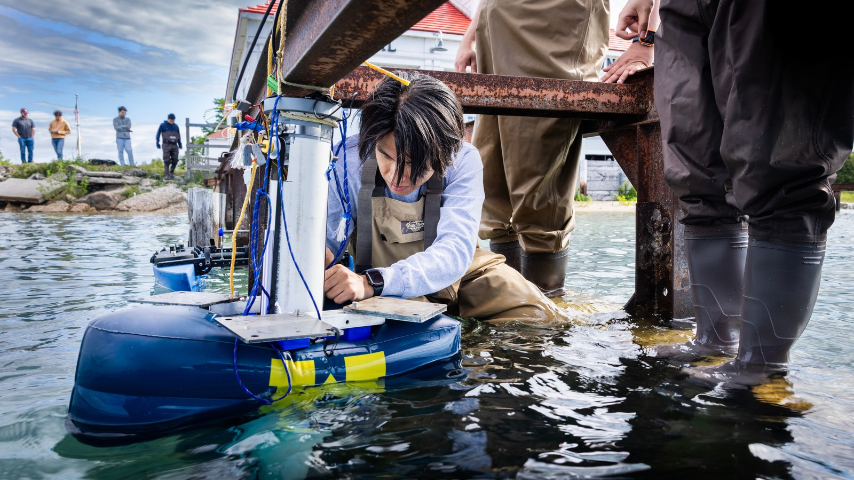
Unlocking the Power of Wave Energy


Researchers at the University of Michigan have developed wave energy converters that may improve energy independence for remote coastal and island communities.

Oct 1, 2026
Engineering the Sounds of Silence

Many of the things that engineers create make a lot of noise. Now there’s a crop of engineers trying to turn the volume down for all of us.
Sep 29, 2026
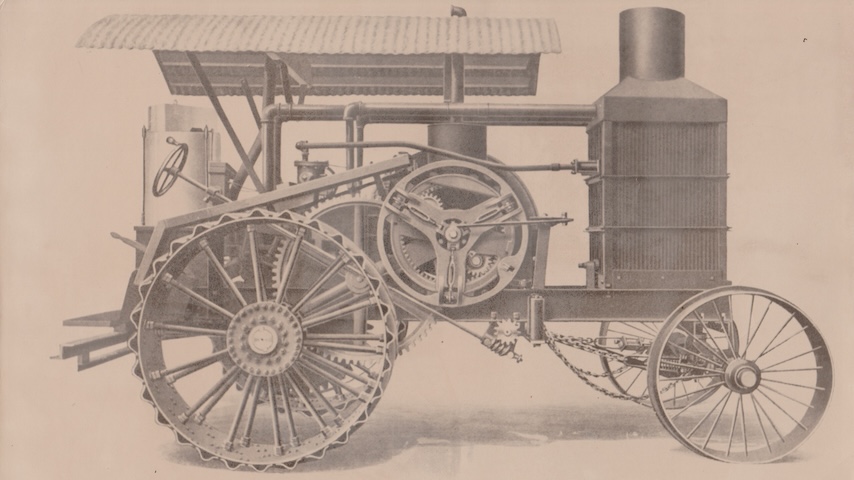
An Engineering Landmark in Tractor Innovation

The Hart-Parr Model 3 is the first tractor to be mass produced with an internal combustion engine, earning its designation as a Historical Mechanical Engineering Landmark.

Sep 25, 2026
ROSEN Group and ASME Foundation Announce Winners of the 2026 Hermann Rosen Award for Pipeline Innovation