Celebrating 250 Years of American Engineering
For 250 years, engineering has powered growth in the United States, helping transform it from a young republic into a global leader in innovation and industry. As we celebrate the 250th anniversary of independence in the United States of America, this collection highlights the engineering landmarks that embody the nation’s spirit of ingenuity. These achievements include machines, systems, and technological breakthroughs that changed how people live, move, and work.
From early steam engines that fueled the Industrial Revolution to pioneering advances in manufacturing, energy, transportation, and aerospace, these landmarks reveal the central role engineers have played in solving the country’s toughest challenges. They showcase the evolution of American craftsmanship and the bold experimentation that pushed boundaries in design, materials, and automation.
Together, these sites tell a story of continuous progress. They are a testament to engineers who imagined new possibilities and built enduring technologies that continue to inspire across generations. As the United States looks ahead to the next 250 years, these landmarks remind us that engineering remains at the heart of American innovation.
Here are just a few highlights from 250 years of American innovation:
From early steam engines that fueled the Industrial Revolution to pioneering advances in manufacturing, energy, transportation, and aerospace, these landmarks reveal the central role engineers have played in solving the country’s toughest challenges. They showcase the evolution of American craftsmanship and the bold experimentation that pushed boundaries in design, materials, and automation.
Together, these sites tell a story of continuous progress. They are a testament to engineers who imagined new possibilities and built enduring technologies that continue to inspire across generations. As the United States looks ahead to the next 250 years, these landmarks remind us that engineering remains at the heart of American innovation.
Here are just a few highlights from 250 years of American innovation:
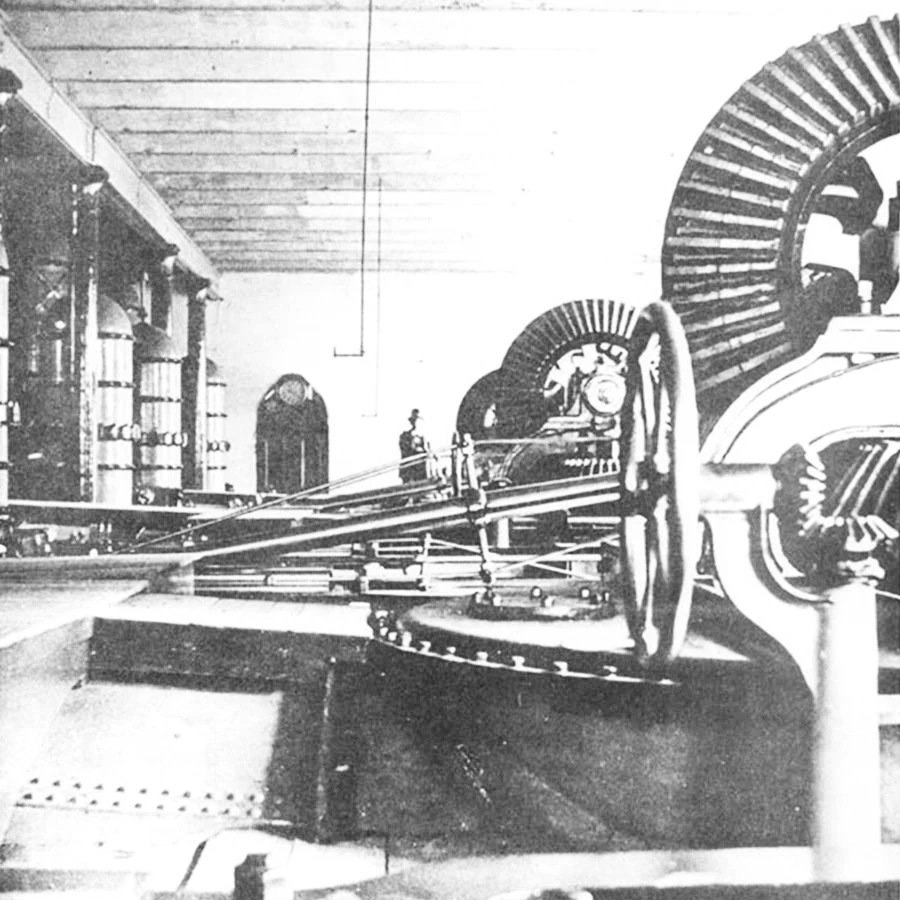
Fairmount Water Works
The Fairmount Water Works in Philadelphia, completed in 1815, is a pioneering early American engineering landmark. It used innovative water-powered pumps to supply clean water to the city and became a model for urban water systems. Its elegant neoclassical design and riverside setting now make it a celebrated historic and cultural site.
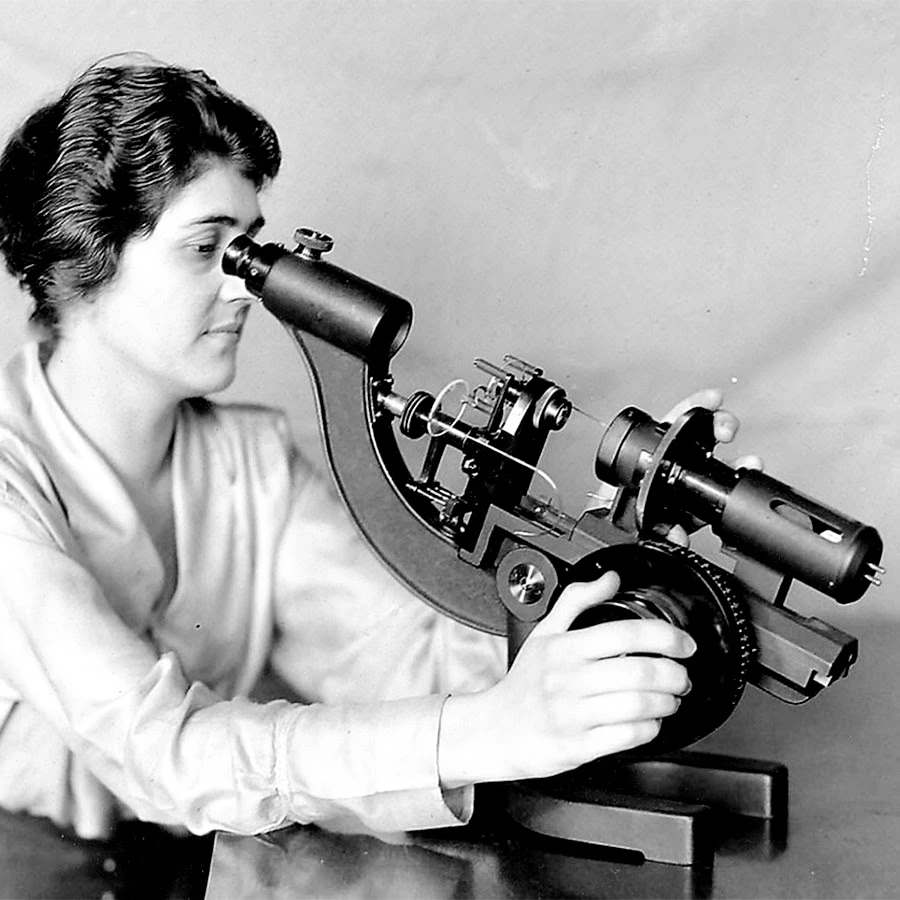
Lensometer
The Lensometer, developed in 1921, revolutionized optical measurement by enabling precise verification of lens power, axis, and prism. Its innovative design improved accuracy in eyeglass production, supported clinical eye care, and set enduring standards for optical instrumentation, influencing generations of optometrists and optical engineers worldwide in their work.
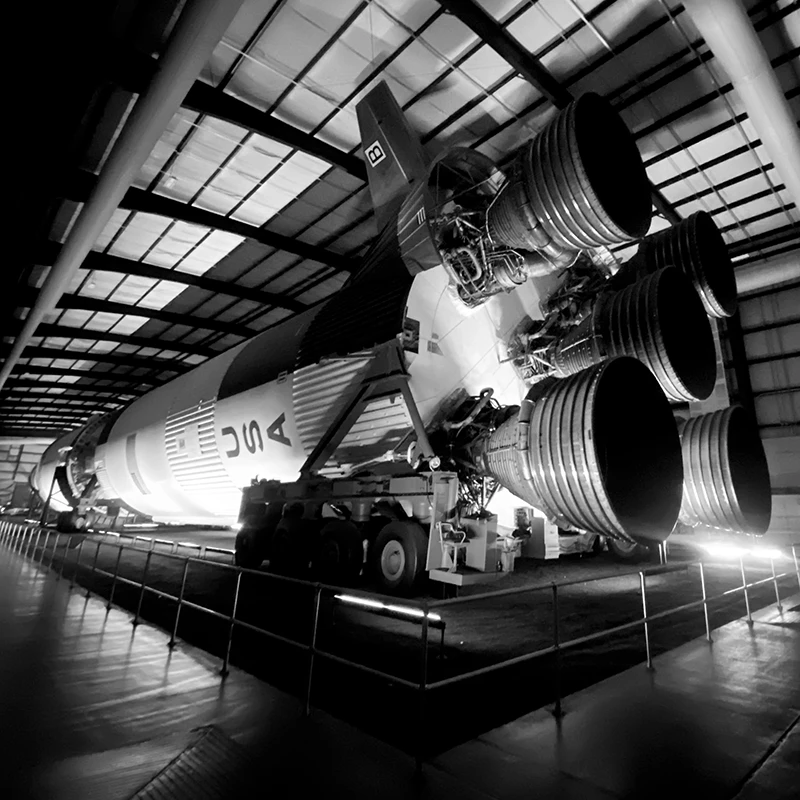
Saturn V Rocket
The Saturn V Rocket powered NASA’s Apollo missions to the moon. The Saturn V carried aloft the 45-ton Apollo spacecraft on earth orbital and lunar missions from 1967 to 1972 and it also launched the 120-ton Skylab into earth orbit in 1973. It remains the most powerful rocket ever flown. Its innovative multi-stage design demonstrated unprecedented thrust, reliability, and ambition, symbolizing human ingenuity during the height of space exploration.
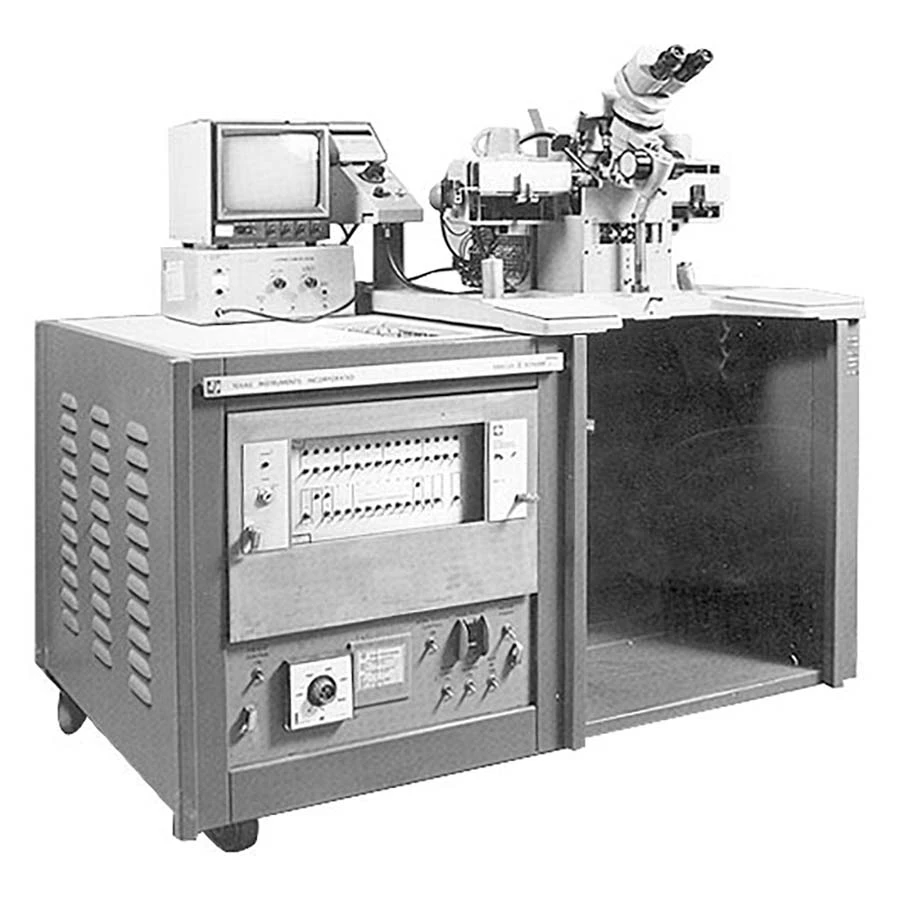
ABACUS II
The ABACUS II Integrated-Circuit Wire Bonder, developed by Texas Instruments in 1972, was the first practical automated wire bonder for assembling integrated circuits. Using heat and pressure to bond fine gold wire with exceptional accuracy, it enabled economical mass production of ICs, with nearly 1,000 units built and up to 375 devices bonded per hour.